









cases OVERVIEW
42% reduction in monthly operating costs, fleet expansion to 1,000 units in 12 months.
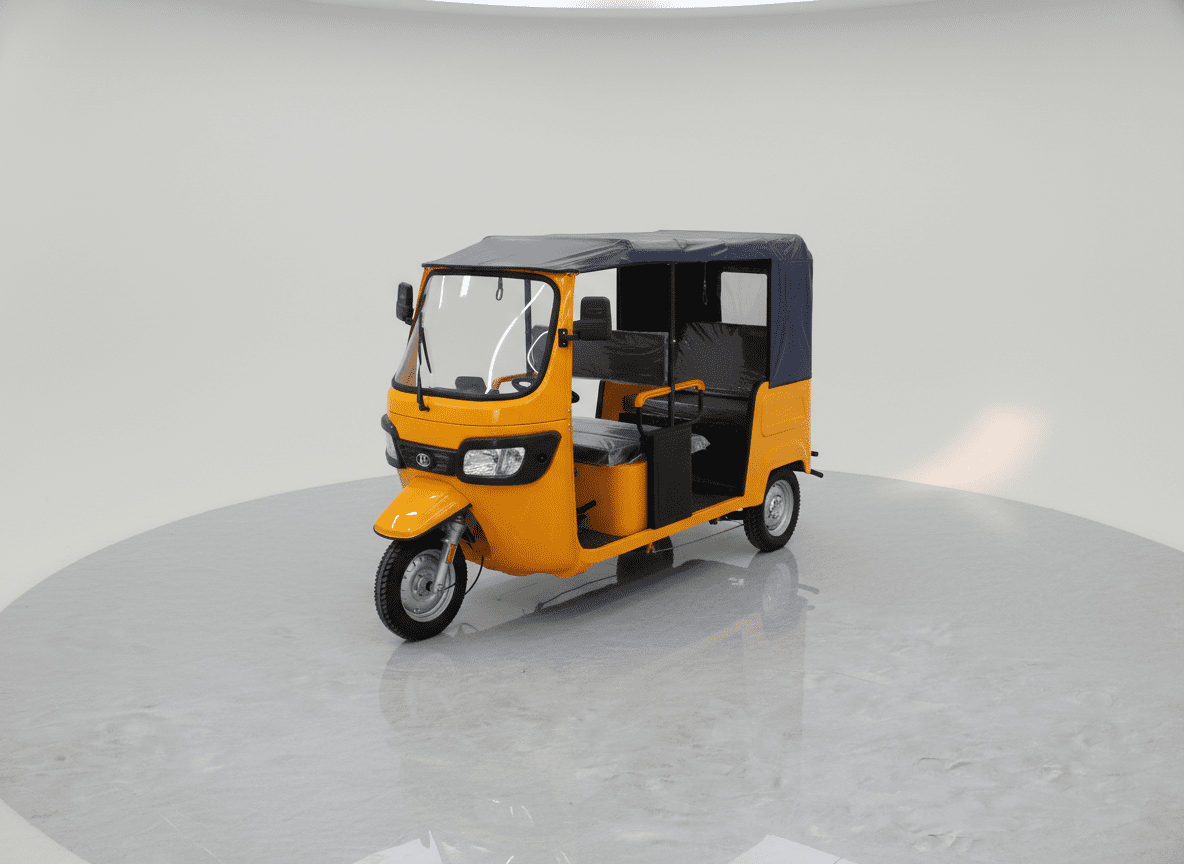
In 2024, a Nairobi-based shared mobility operator partnered with us to electrify their fleet, aiming to resolve high fuel expenses and management inefficiencies. Focused on short-distance relay and instant delivery, the client required high vehicle availability and data-driven management. After rigorous testing, we launched a pilot project to validate operational returns and establish a replicable expansion model.
Phase 1: Pilot and Battery Swapping (Months 0–6):
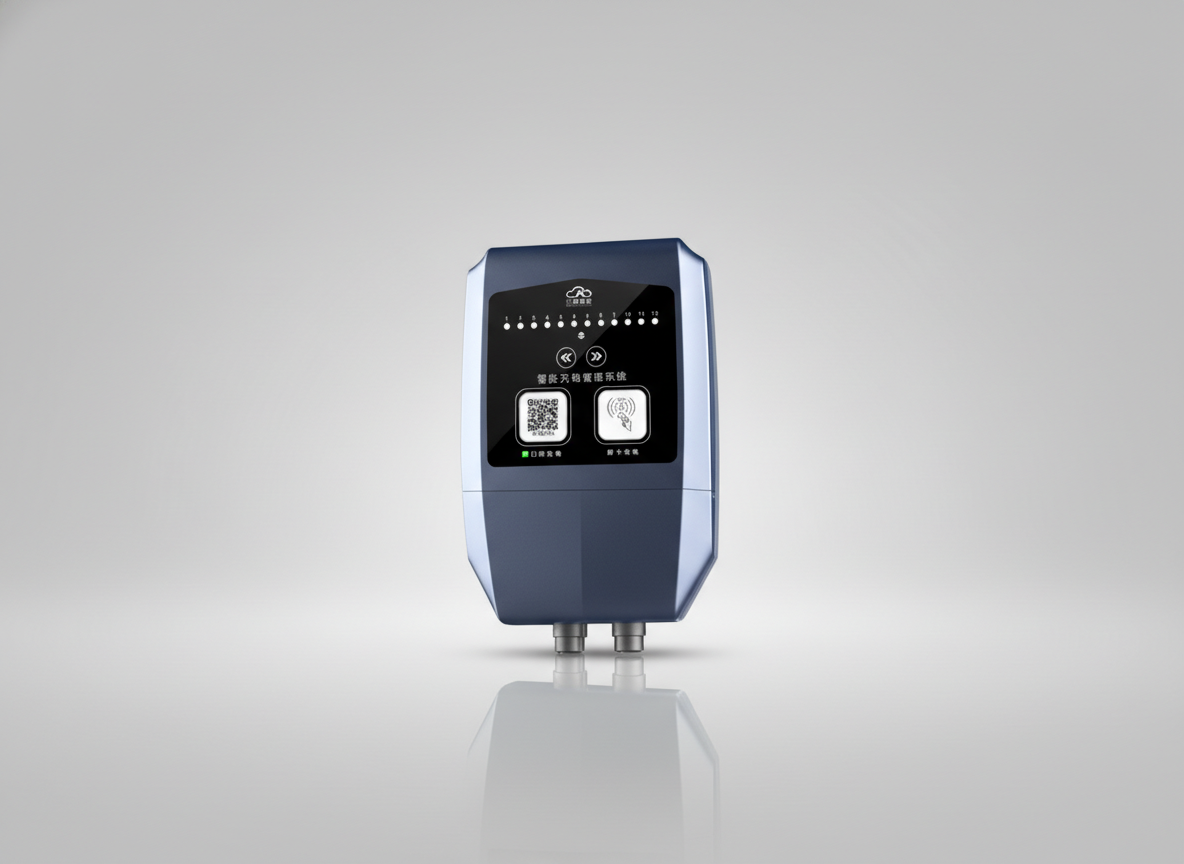
An initial fleet of 200 smart connected electric units was deployed, all integrated into a fleet management platform for real-time visibility of location, mileage, and battery status. By adopting a “Battery Swapping” model, downtime was significantly reduced. Our support included operational parameter optimization (battery-to-vehicle ratios), standardized maintenance training for local technicians, and a rapid-response spare parts mechanism.
Operational Results and Efficiency:
During the pilot, the fleet maintained a 96%+ vehicle availability rate with an average daily mileage of 85km per unit. Data confirmed a 42% drop in monthly operating costs and a 35% reduction in maintenance expenses compared to fuel-powered fleets. The IoT-enabled platform transformed fleet operations from “experience-driven” to “data-driven,” drastically reducing trip cancellations due to vehicle failure and increasing rider stability.
Phase 2: Large-Scale Expansion (Months 7–12):
Driven by successful pilot data, the client scaled the order by an additional 800 units, bringing the total fleet to 1,000 units. The battery swapping network was expanded across multiple districts. By the end of the first year, the operator became a leader in Nairobi’s electric mobility sector, establishing electrification as their core strategic direction for the next three years.