

cases OVERVIEW
$1,400+ annual savings per vehicle, 1,000 units deployed in 12 months.
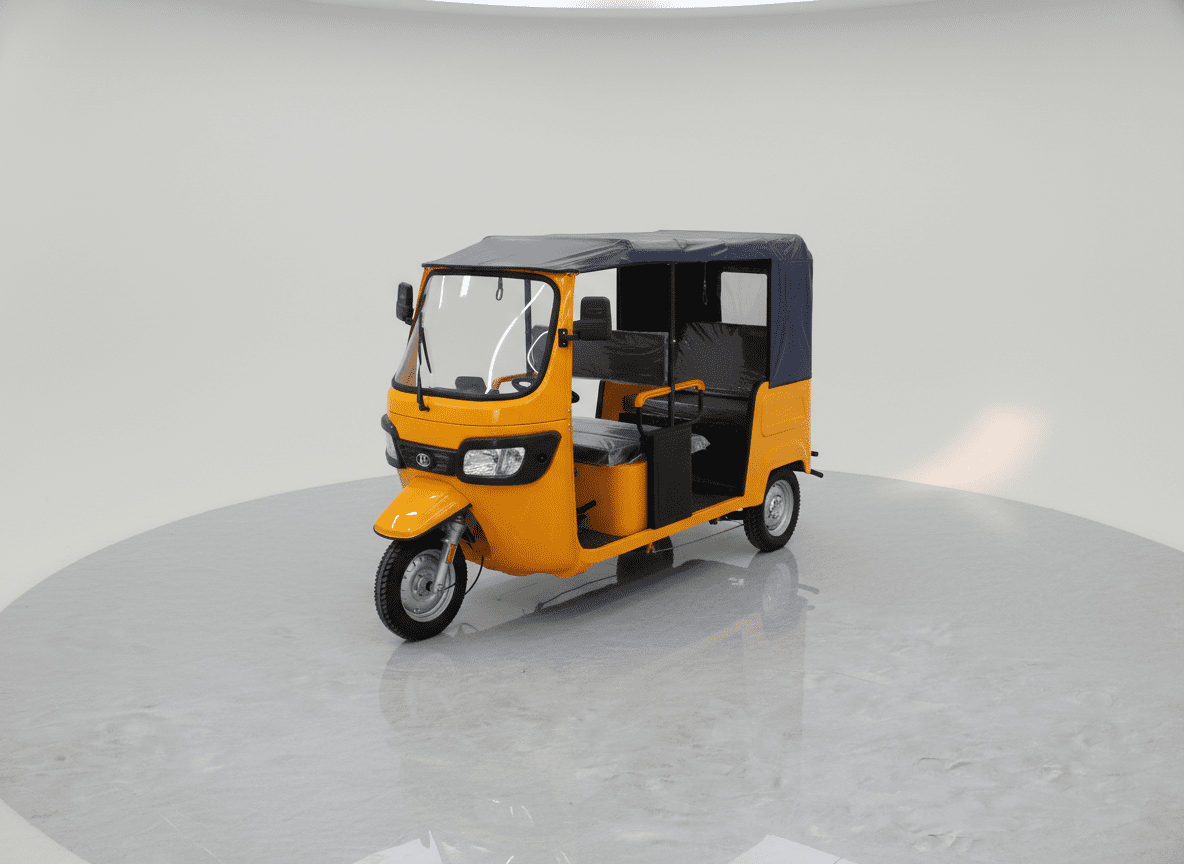
In late 2022, we initiated a strategic partnership with a prominent logistics equipment distributor in Lima. Facing high operational costs and tightening urban emission regulations, our partner sought to transition from fuel-powered trikes to a more economical and stable commercial electric product line for supermarket replenishment and community delivery.
Phase 1: Pilot and Technical Optimization (Months 0–6):
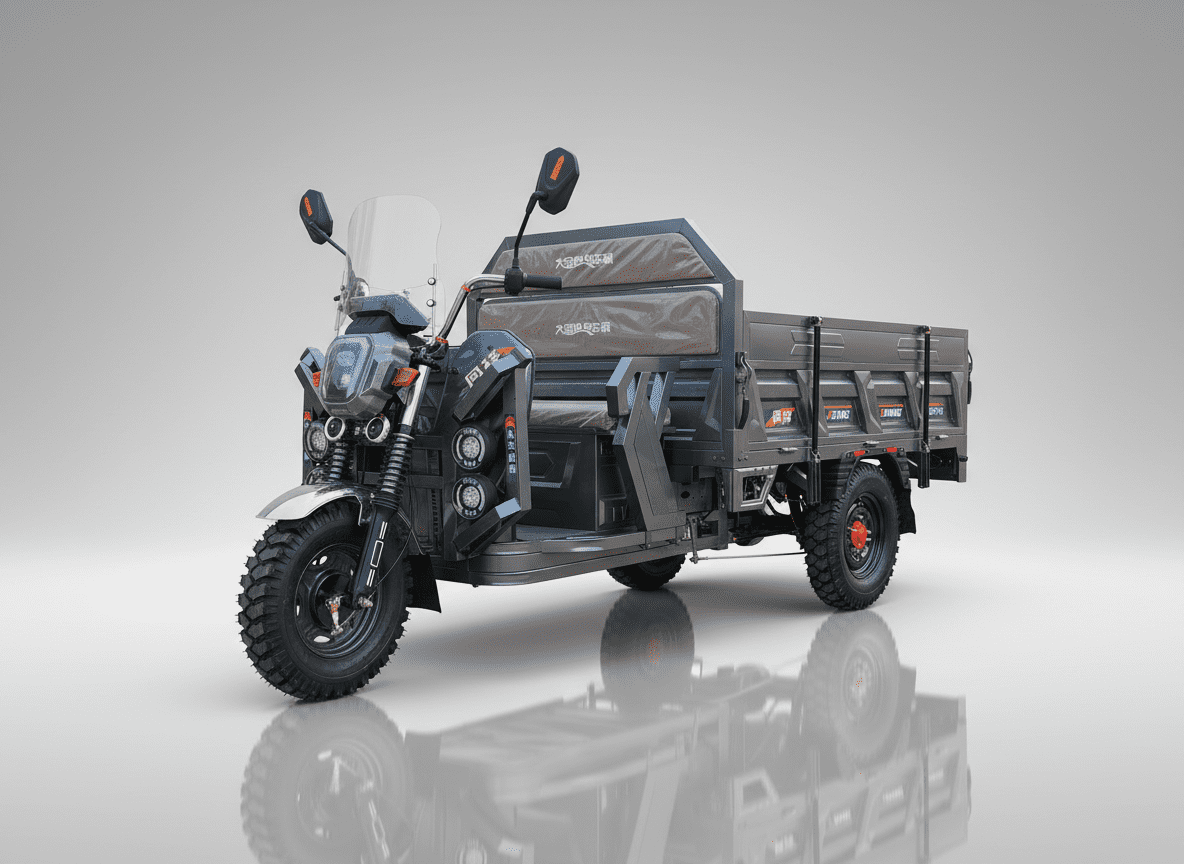
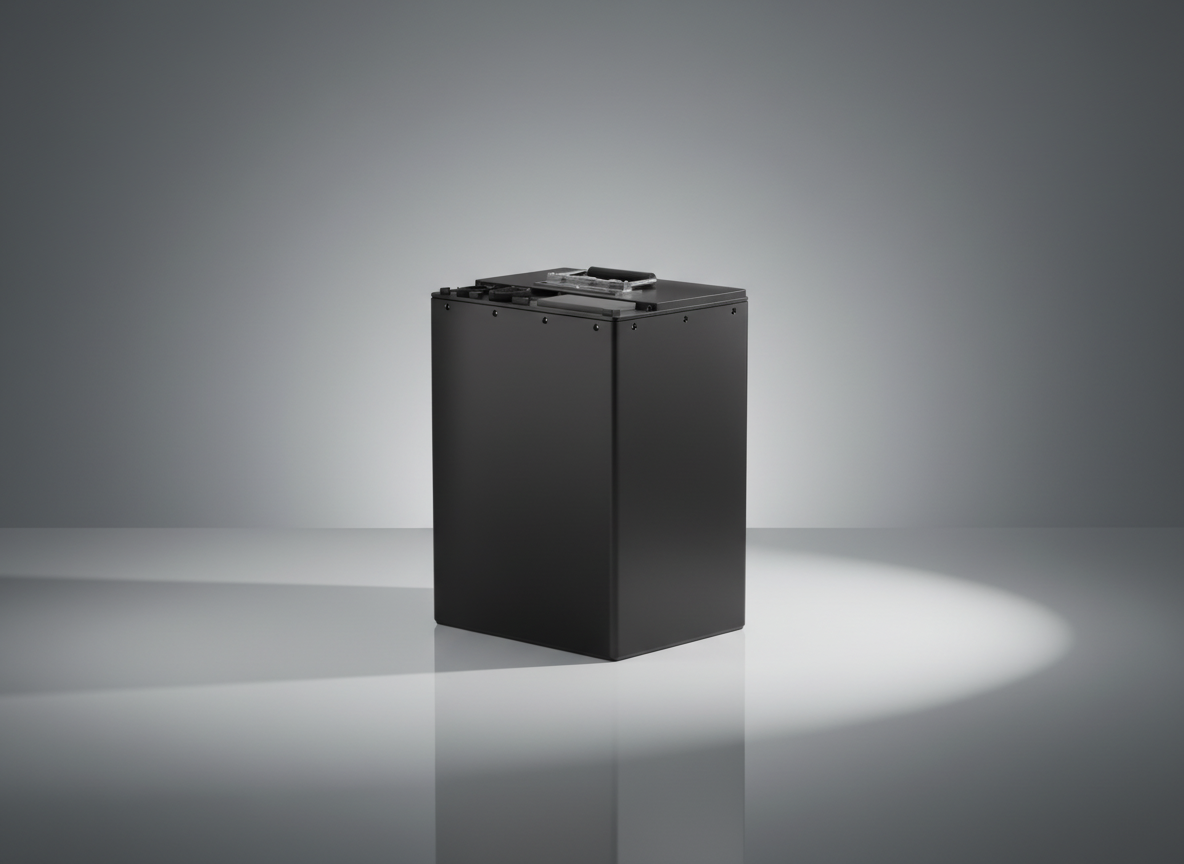
An initial fleet of 300 heavy-duty e-tricycles (1000kg capacity) was deployed across 7 delivery zones. To meet high-intensity urban demands, we optimized the battery management and reinforced the chassis for heavy-load conditions, extending the range to 95km per charge. We also provided remote technical training to the client’s service team to ensure zero-downtime operations. Within 6 months, the fleet logged over 4.2 million kilometers, with data showing that each electric unit saved approximately $120/month in fuel and maintenance compared to petrol trikes—totaling over $1,400 in annual savings per vehicle.
Phase 2: Scaling and Business Transformation (Months 7–12):
Following the pilot’s success, the cumulative order increased to 1,000 units. Our partner evolved from a hardware seller into a Vehicle + Service solution provider, establishing 9 regional service outlets. By the end of 2023, the electric tricycle business accounted for 52% of the distributor’s total revenue, with supermarket and community delivery clients contributing 65% of total sales. This project established a replicable model: moving from data-driven pilot validation to large-scale market dominance.