






cases OVERVIEW
The National Strategic Framework for Electric Mobility and Carbon Neutrality.
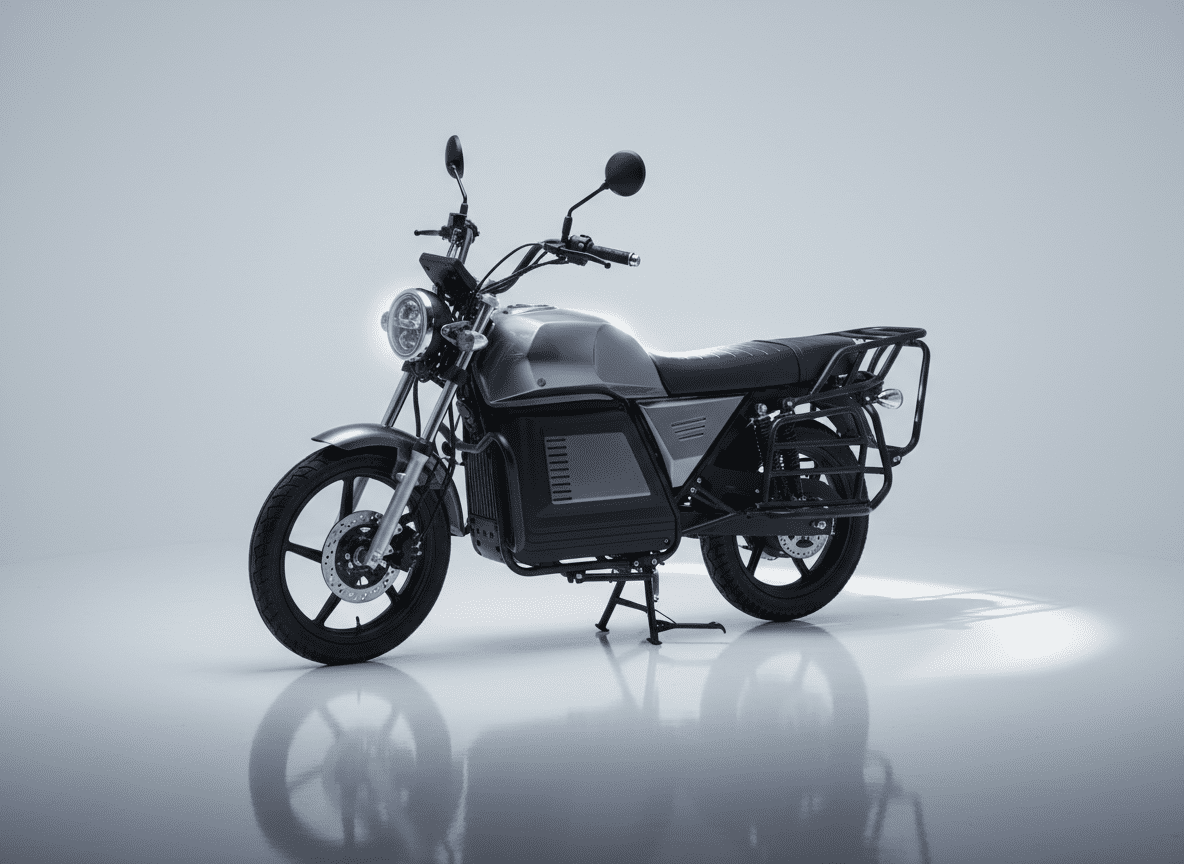
Rwanda has emerged as a continental leader in the transition to sustainable transport. Under the government’s ambitious vision to become a carbon-neutral economy by 2050, the city of Kigali has become a testing ground for large-scale electric two-wheeler (e-moto) adoption. By implementing a comprehensive suite of tax incentives and infrastructure mandates, the country is successfully phasing out internal combustion engine (ICE) motorcycles, which were previously the primary source of urban air pollution.
Policy Framework: Catalyzing the Market (Stage 1)
The transition is anchored by the “Strategic Framework for E-Mobility,” which offers zero-rated import duties for electric vehicles, charging station equipment, and battery components. To accelerate adoption among the 100,000+ “Boda Boda” (motorcycle taxi) riders, the government facilitated a collaborative ecosystem between energy regulators and private startups. This policy allows for dedicated electricity tariffs for charging stations, making the “cost per kilometer” of electric power significantly cheaper than subsidized petrol.
Infrastructure Innovation: The Battery Swapping Model (Stage 2)
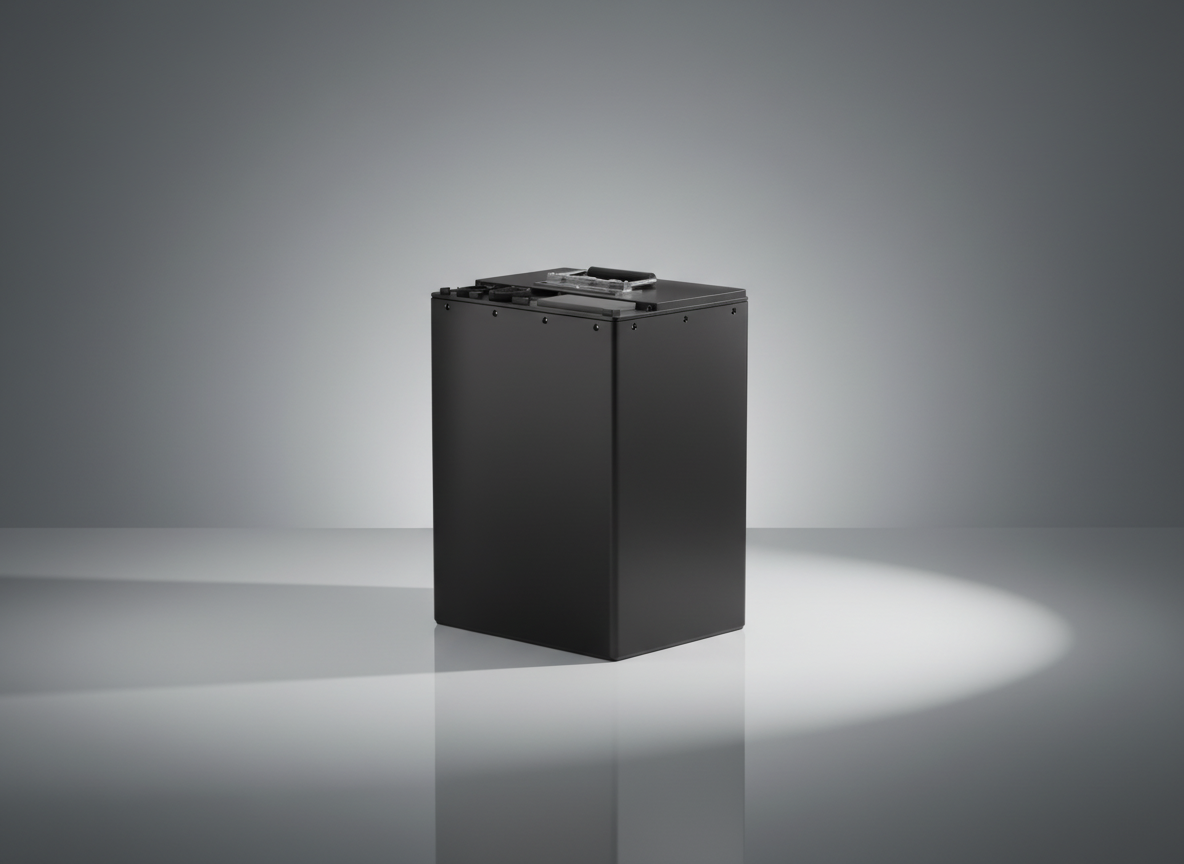
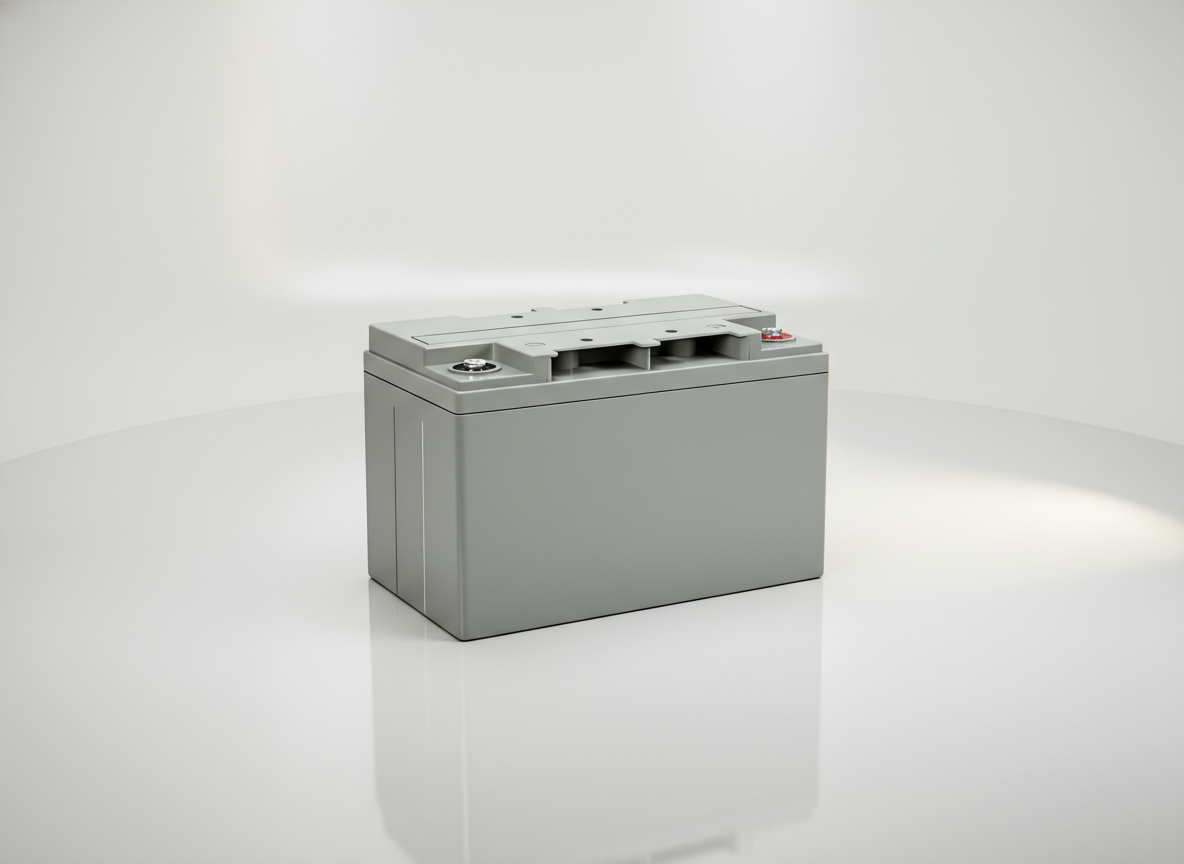
Recognizing that charging time is a barrier for professional riders, the local industry has standardized the “Battery Swapping” model. Instead of waiting hours to charge, riders exchange depleted batteries for fully charged ones at strategically placed kiosks across the city. This “Energy-as-a-Service” model has decoupled the cost of the battery from the vehicle, lowering the initial purchase price of e-motos to a level competitive with traditional petrol bikes, thus removing the primary financial barrier for low-income operators.
Environmental and Socio-Economic Impact
The shift is delivering measurable results for both the environment and the local economy. Beyond the immediate reduction in tailpipe emissions, the project has fostered a new local manufacturing sub-sector, with assembly plants now operating in Kigali Special Economic Zones.
Air Quality: A significant drop in PM2.5 levels has been recorded along major transit corridors.
Rider Income: With electricity costs being more stable than global oil prices, professional riders have seen their daily net earnings increase by 30% to 40% due to lower operational overheads.